Festival Litter Cleanup Lessons from Shambala Festival
Festival litter is a hot button topic at this time of year, the summer festival season wrapping up, the images of fields buried under mountains of plastic tents, cans and discarded gear always spark a lot of debate. Our Head of Operations, Sarah Hayes, asks whether we really have to accept the environmental impact of large Summer festivals and explores what can happen when sustainability becomes part of the culture rather than an afterthought. Here’s what Sarah found on her recent trip to Shambala Festival…
After a few blissful days at Shambala Festival, away from social media, I picked up my phone and was greeted by images of the aftermath of Reading Festival: abandoned tents, broken chairs, piles of rubbish and fields strewn with waste. The contrast couldn't have been starker.
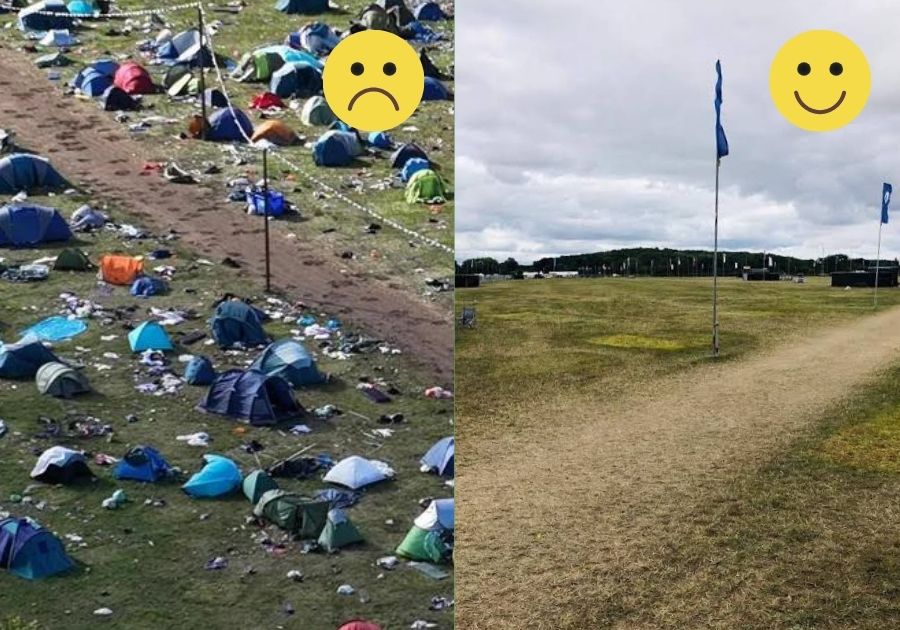 (Reading Festival aftermath vs Shambala Festival)
I've been attending Shambala Festival since my children were small.
Over the years, one thing has remained constant: sustainability isn't an add-on. It's simply part of how the festival works.
From reusable drinks cups and bring-your-own coffee mugs to composting food waste and encouraging low-carbon travel, environmental responsibility is woven into the experience.
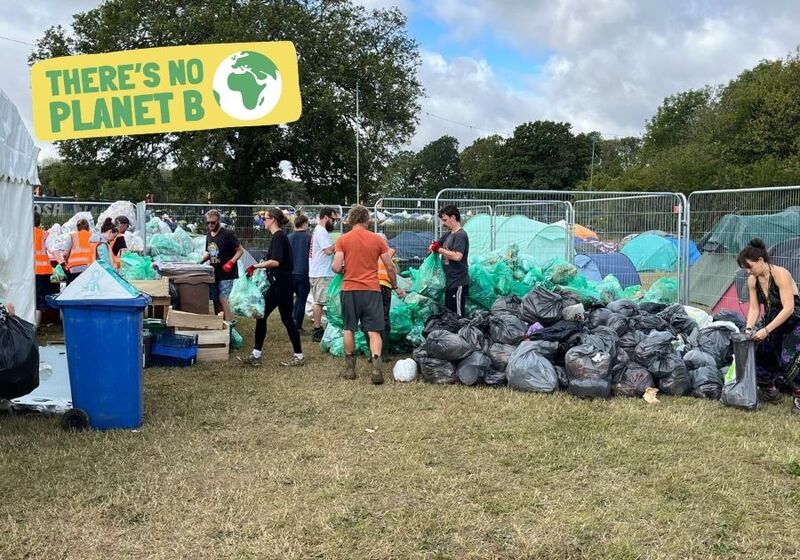
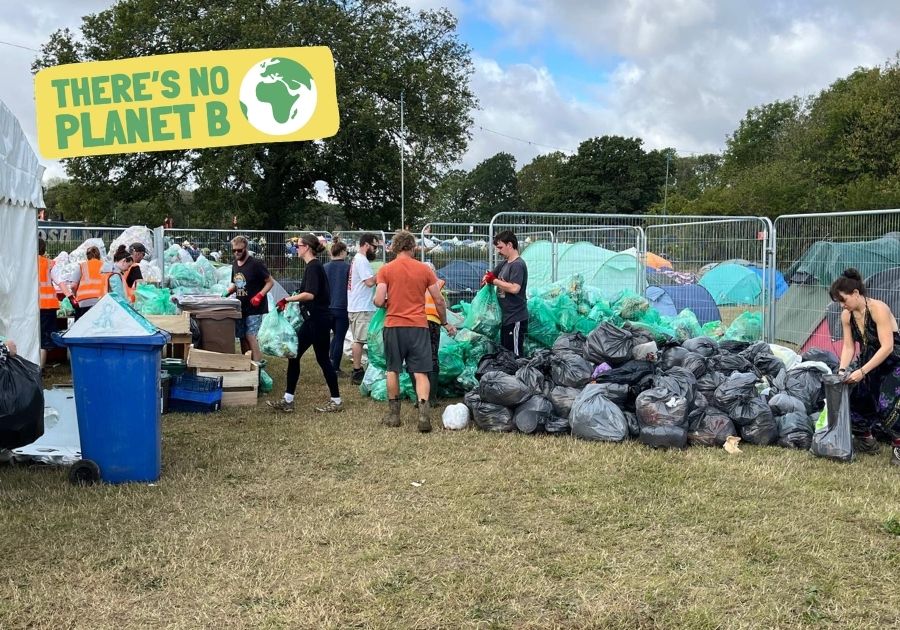
One of my favourite ideas remains the recycling bond. A small fee is added to your ticket price and returned when you hand in a bag of collected recycling before you leave. What's remarkable is that none of this feels like a compromise.
What you notice first is a fantastic festival, a festival where babies in ear defenders share the experience with teenagers, twenty-somethings, families and seasoned festival-goers like me and my friends. A festival filled with brilliant music, magical woodland adventures, creative workshops, healing spaces, spectacular fireworks and the wonderfully bonkers Shambolympics.
This year even included a celebration of Sir David Attenborough, whose work has inspired generations to appreciate and protect the natural world. At its heart, Shambala is a celebration of creativity, community and our connection with the planet we call home.
While no event attended by thousands of people can be perfect, the fields left behind are a world away from the scenes that dominate headlines elsewhere. That's not because Shambala attracts different people, it's because it has created a culture where looking after the space feels like part of the experience and that's what gives me hope.
Through my work, I spend a lot of time talking about the journey litter takes from our streets into rivers and waterways. Waste doesn't simply disappear when it's left behind. Shambala proves that festivals can be vibrant, creative, family-friendly and environmentally responsible all at the same time. It shows that sustainability doesn't have to come at the expense of a great experience.
As the festival industry continues to evolve, perhaps the question isn't whether this approach is possible. Shambala has already shown that it is. The question is, how many others are willing to follow its lead?
Shambala, well done. You're proving that a different way is possible. Other festivals please take note!